
Skills for Life: A new strategy for English, Maths, ESOL and Digital
The government’s original Skills for Life strategy turned 20 years old in 2021. We were fortunate to receive funding from FETL to work on a collaborative project which celebrated that birthday, bringing together a wonderful group of sector specialists, many of whom had worked on the original Skills for Life strategy.
The group considered the original strategy, in particular looking at what had gone well and what should be included for a new strategy going forwards.
A pdf of the final document can be accessed here.
Powerpoint slides that can be used to help present the information to your teams are available here.
Skills for Life: Launch event – 1st Mar 21
Our launch event on 1st March 21 went really well and it was fabulous to have such a prominent list of sector leaders joining us live. We also had Robert Halfon MP introducing the event, Hannah Wilkins, who won the Festival of Learning Patron’s award in 2020 talking about her learner journey and Jay Blades from the BBC’s The Repair Shop who chatted about how he has overcome his reading issues.
Register to watch the recording of the event here.
See below what Jay Blades had to say about us all having the ability to influence our communities and about the need to commit to support the Skills for Life strategy.

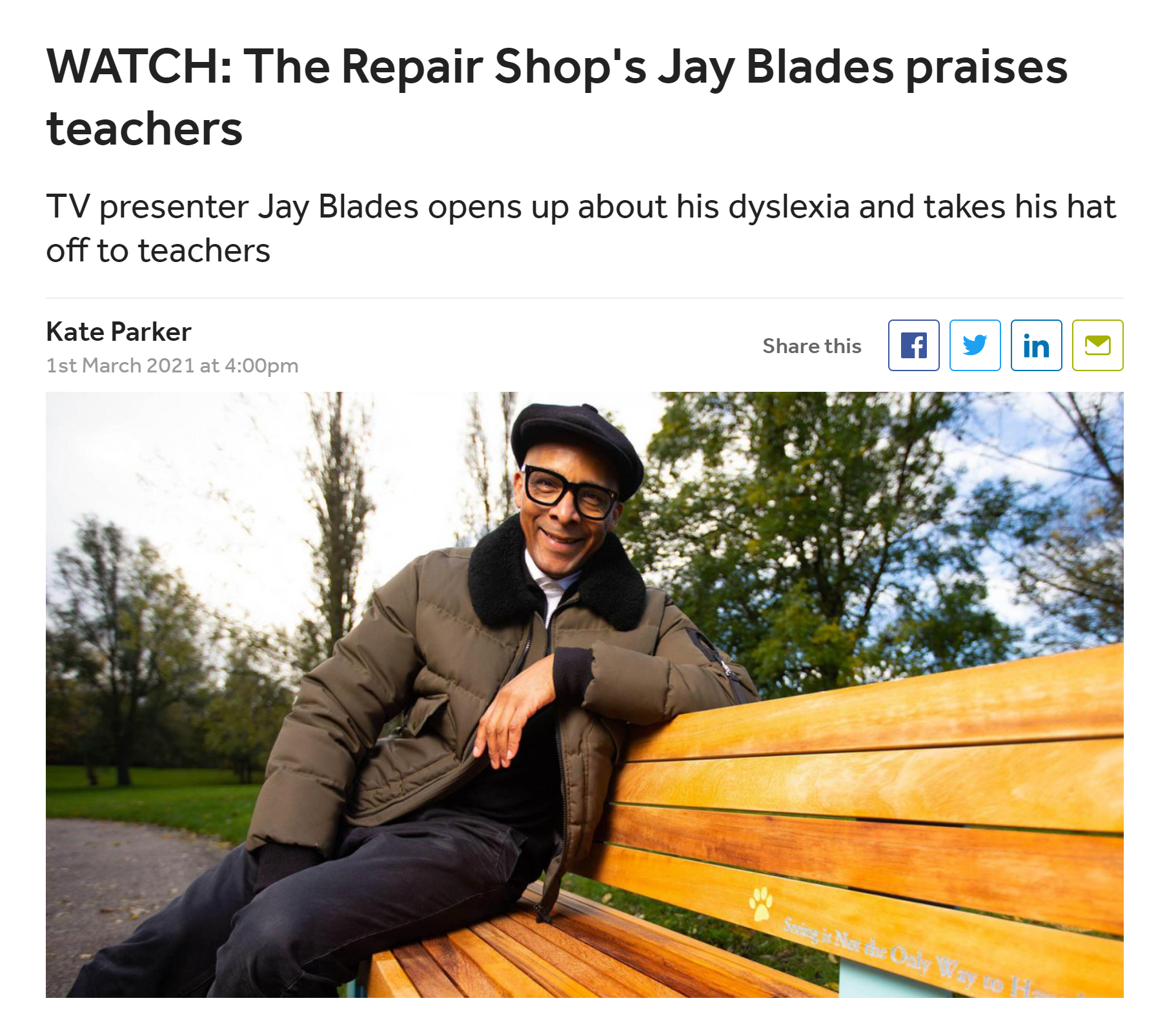
Tes article on Jay Blades
Executive Summary
“Twenty years ago, after the UK received a damning report on the nation’s literacy skills, the new Labour government identified the need for a far-reaching response and strategy that was innovative, flexible, and embraced and enhanced every aspect of literacy, language and numeracy delivery.
The resulting Skills for Life: the national strategy for improving adult literacy and numeracy skills was successful, met its targets early and went on to ensure that between 2001 and 2011 some 14 million people participated in adult literacy and numeracy activities – with over eight million qualifications being achieved. This produced a 13% improvement in literacy in the adult population, with over five million more adults gaining skills at Level 2.
However, although the strategy was successful and many of the delivery features were embedded in the further education system and delivery landscape in 2008, in recent years participation in adult English and maths courses has dropped – despite the need being even greater.
This paper reviews what worked through the prism of those who delivered the original strategy, reviews the independent evaluation, explains today’s issues, highlights the risks to future prosperity and wellbeing, and proposes how adult English and Maths participation might be improved.
The paper explores how collectively, by pooling our effort, working with what is already in place we can enhance the infrastructure and embrace the new technological world to produce a strategy fit to take us from 2021 through to 2031. It concludes with proposals and recommendations for us all – Government and its agencies, the Mayoral Combined Authorities, the Greater London Authority, colleges and other providers, teachers and practitioners.”